

Integration of the planetary biogeochemical and industrial carbon cycle – ICC
THE PROGRAM
Integration of the planetary biogeochemical and industrial carbon cycle – ICC
Building a net-zero, climate-neutral economy

The Program
The Integration of the planetary & industrial carbon cycle Program (ICC) aims to navigate climate overshoot challenges through science-based management that turns carbon from a liability into an opportunity.
By integrating AI tools and high-resolution data into the modelling chain, the Program creates a multidisciplinary framework capable of capturing human–Earth feedback and enabling realistic, resilient pathways to net-zero.
The global challenge of decarbonization
The world faces a defining challenge: transforming carbon into a strategic asset that can drive innovation and lead to a climate-neutral economy.
The ICC Program addresses this unresolved global challenge by developing integrated, science-based solutions for sustainable carbon management, advancing a net-zero transition that reduces emissions while expanding society's capacity to remove carbon within planetary boundaries.
Achieving "net-zero"
Promoting a holistic One-Net-Zero approach, the Strategic Program integrates mitigation, carbon management solutions, and natural sink protection within within the broader context of Sustainable Development Goals (SDG).
It contributes cutting-edge science and innovation to major international processes including IPCC assessments, Mission Innovation initiatives, and the EU Green Deal, ensuring that research translates into actionable knowledge shaping global, regional, and national climate policy.
PROGRAM STRATEGY
Strategic objectives
Discover what guides the actions of the Program

Integrated Carbon Accounting
Develop AI and machine learning methods to integrate in-situ and satellite data enabling quantification of carbon fluxes across the global system.
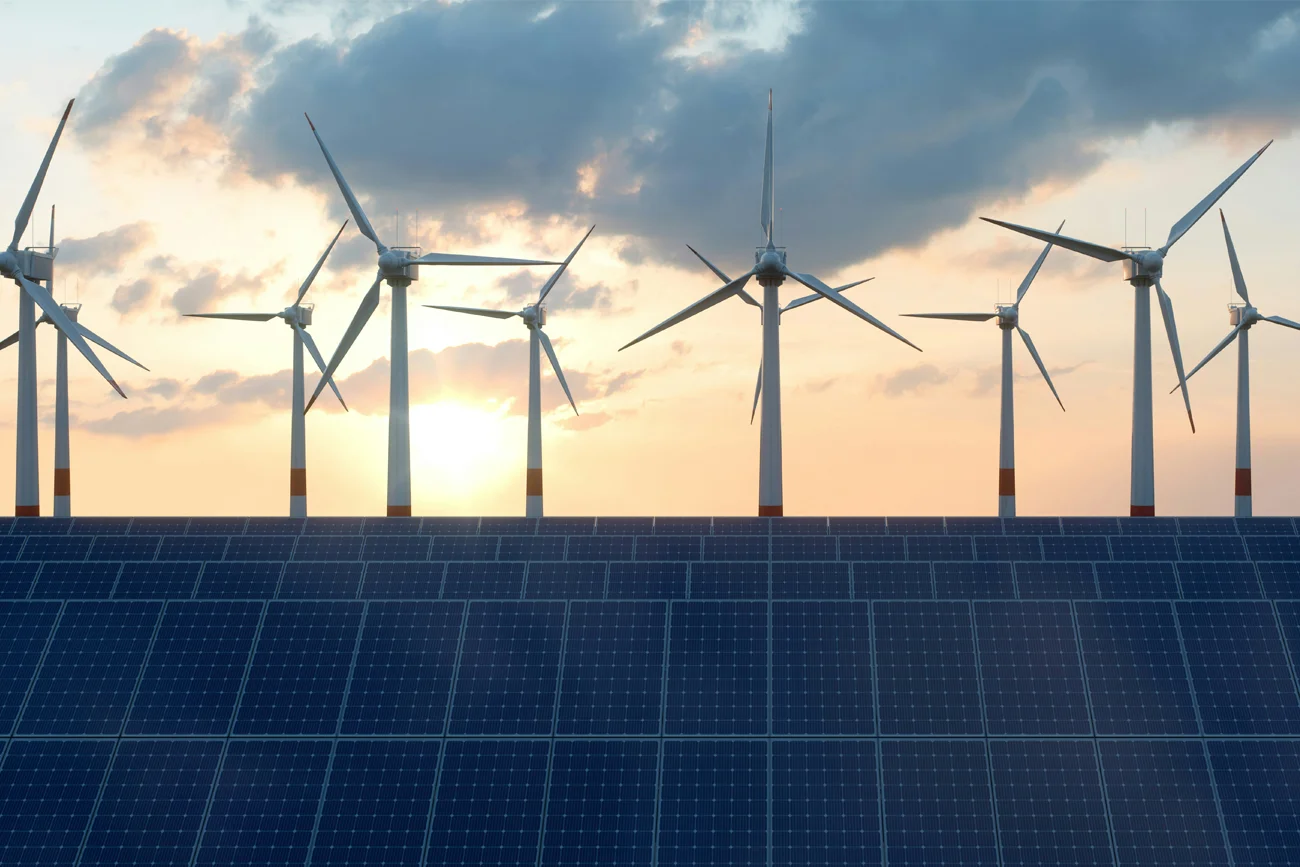
One-Net-Zero
Connect socio-economic and technological dimensions of decarbonization with Earth system models to evaluate pathways towards climate neutrality.
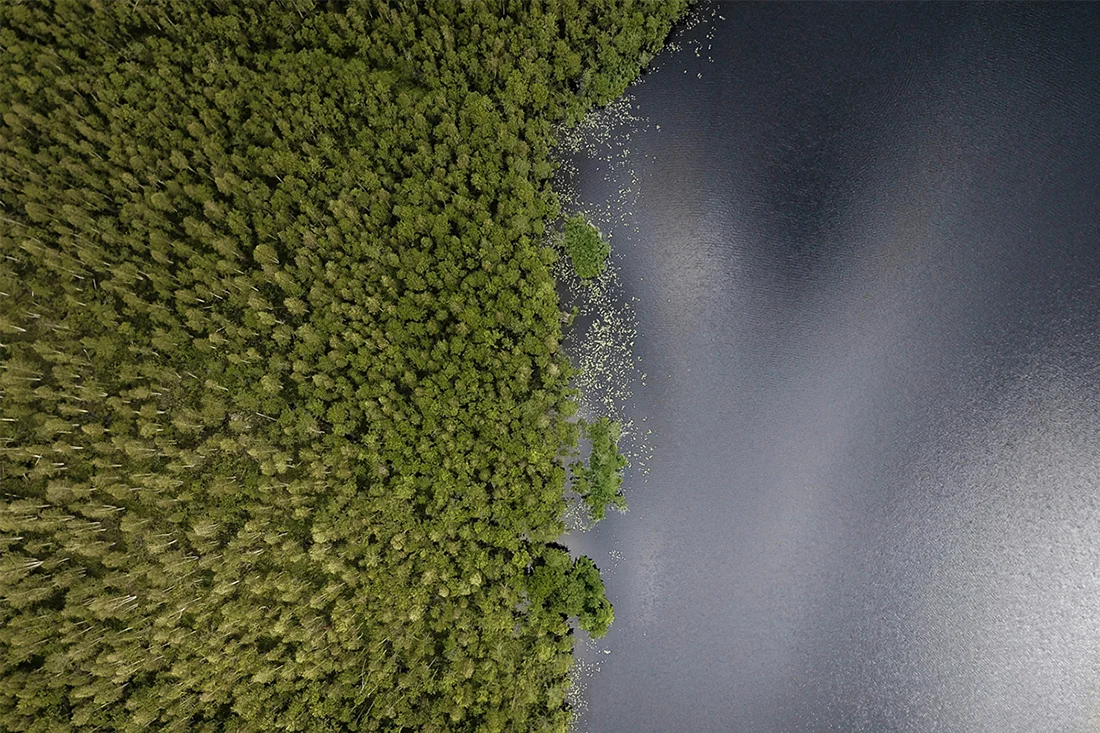
Sustainable Decarbonazation
Develop joint mitigation and adaptation strategies to meet SDGs while accounting for the vulnerability of carbon sinks and the human and natural ecosystems that interact with them.
Research priorities
Explore the priorities driving the Program’s research and innovation
Develop coupled Economic-Physical Models
Connect economic impact assessment and Earth system models to better represent carbon management and removals, and the feedbacks linking climate, ecosystems, socio-economic transitions and policy.
Integrate carbon monitoring into modeling chain
Combine real-time carbon observations from satellite, ground, and ocean with next-generation Earth system models to improve the accuracy of climate projections.
Harmonize net-zero pathways
Align projections from scientific models with national greenhouse gas inventories to create net-zero strategies across regions and sectors.
Build an open policy platform
Build open platforms that integrate carbon cycle data, models, and carbon management solutions supporting decision-makers with accessible knowledge.
Assess climate risks to critical carbon sinks
Assess climate risks to land and ocean sinks, advance resilience strategies that reduce the vulnerability of key ecosystems while enhancing their capacity to store carbon.
Co-designing carbon management solutions
Engage with policymakers, industry, and communities to develop carbon management approaches in real-world contexts and needs.
Key initiatives
See the core actions that implement the Program’s objectives
CCM - Carbon Cycle Management (Carbon Capture, Storage, Utilization and Removal)
Advances cost–benefit assessments, deployment pathways, and MRV solutions for nature-based and technological removals, supporting EU policymakers, IPCC processes, and emerging carbon markets.
ARCTIC – Climate Change in the Arctic Circle
Assess the impact of climate change in the Arctic region from the rapid sea-ice cover loss to permafrost thaw, megafires in boreal forests, and other socioeconomic and ecosystem shifts, and their implications for the global carbon cycle.
MA4SDG - Mitigation & Adaptation for SDGs
Creates synergies between mitigation and adaptation actions to empower national governments and international organizations to reach SDGs.
AI4CX - AI for Carbon
Develops AI tools to enhance carbon cycle modeling supporting carbon management best practices and decarbonization policies.
FIRES – Wildfire Dynamics, Emissions & Impacts
Develops wildfire emission models and near-real-time monitoring tools for risk assessment to inform national agencies, regional authorities, land managers, and the insurance sector.
HARMONIC – Land Use & Carbon Accounting
Produces harmonized land datasets and MRV-ready carbon flux models to strengthen national inventories, land-use policies, EU Green Deal implementation and IPCC teams.
DECMAR – Maritime Sector Decarbonization
Integrates global trade dynamics and geopolitical risks into maritime decarbonization scenarios for the International Maritime Organization, European regulators, local authorities and the shipping industry.
PROJECTS
Program projects
Find out more about the projects within the Program
UPTAKE: Bridging current knowledge gaps to enable the UPTAKE of carbon dioxide removal methods
CONCERTO: Improved CarbOn cycle represeNtation through multi-sCale models and Earth obseRvation for Terrestrial ecOsystems

THRAC3E: Terrestrial High Resolution Assessment of The Carbon Cycle and its Coordination in Europe
PUBLICATIONS
Research output
Access the Program's latest publications
PARTNERS
Key partnerships
Explore the Program's strategic collaborations
NEWS
Latest updates
Latest news from the Program
EVENTS
Recent and upcoming events
Discover what’s happening in the Program and stay involved