

Predicting socio-economic outcomes in a changing climate – PSEO
THE PROGRAM
Predicting socio-economic outcomes in a changing climate – PSEO
Advancing resilience, well-being and sustainable development in a warming and rapidly evolving world
The Program
The Predicting socio-economic outcomes in a changing climate (PSEO) Strategic Program addresses how climate, economic, social, and institutional dynamics interact to shape development pathways and strengthen the science-policy interface for achieving resilient and equitable futures.
Climate change is shaping the future of societies and climate resilience as a path to sustainable development
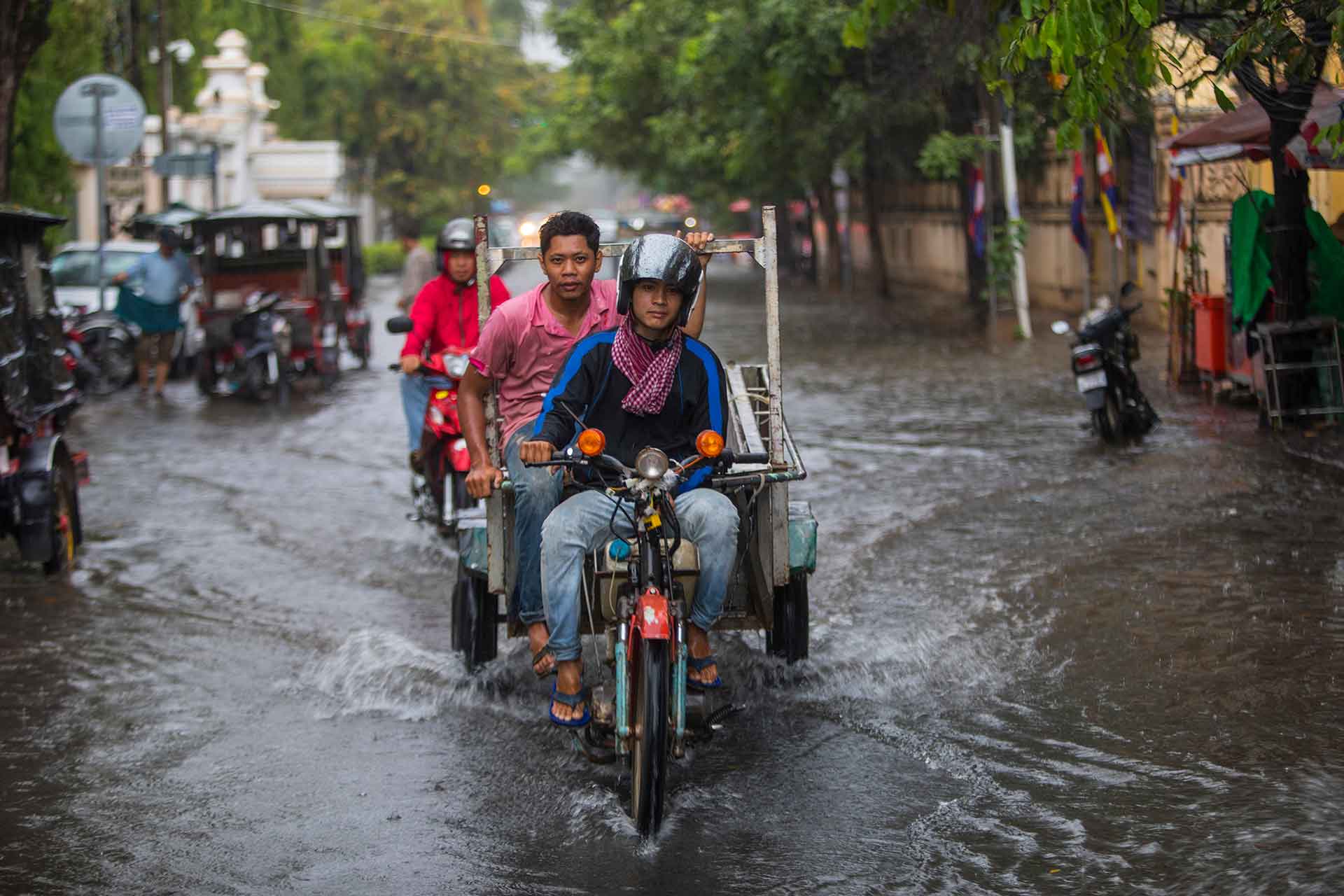
A changing climate is reshaping socio-economic structures worldwide. All ecological, social, and economic systems - across all regions of the world - face a dual challenge: coping with, resisting, and recovering from climate shocks and stresses, while also adjusting and transforming to evolving conditions, maintaining function and and progressing toward sustainable development pathways. This capacity to adapt and develop is framed as climate resilience. The Program aims to address resilience as a transformative process that integrates economic and social dimensions as key enablers of systemic, rapid, and far-reaching change.
Addressing the unequal burden of climate risk
Climate change acts as a risk multiplier, exacerbating existing inequalities and poverty trends, potentially constraining future development trajectories. Economic impacts are wide-ranging and significant, including direct damage to infrastructure and property from extreme events, reduced labour productivity due to heat stress, declining agricultural yields, threats to food security, rising healthcare costs, and disruptions to global trade and supply chains. Substantial GDP losses are projected both globally and regionally, with key sectors - such as agriculture, health, and tourism - especially exposed. The Program is addressing the disparity of socio-economic vulnerability, which is globally amplified by structural factors such as dependence on climate-sensitive livelihoods (e.g., agriculture, fishing), limited adaptive capacity, inadequate infrastructure, and historical patterns of marginalisation.
Evidence-based policy and decision making
Through applied projects across different scales and regions - including Italy, the Euro-Mediterranean area, and Africa - and priority sectors, and in support of international and Italian climate diplomacy (UNFCCC, IPCC, G7, G20, EU Mission on Adaptation), the Program contributes to the development of robust scientific evidence and works to strengthen participation and inclusivity in support of a strong and policy-relevant science-policy interface with attention on equity, justice, and distributional consequences of climate-driven impacts.
PROGRAM STRATEGY
Strategic objectives
Discover what guides the actions of the Program
A paradigm shift in prediction
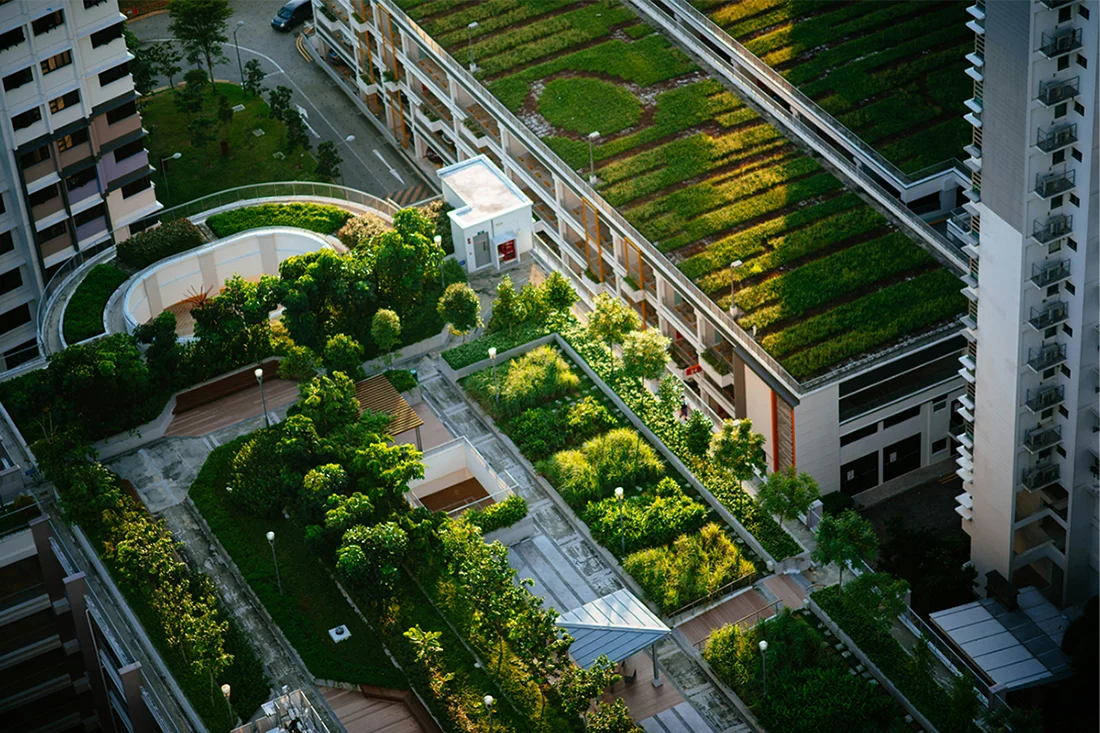
Advancing a new predictive approach, focusing on socio-economic outcomes rather than solely on physical climate impacts, enabling exploration of the solution space - the set of viable, desirable, and adaptive pathways - in which societies can evolve in response to climate risks.
Economic and social policy for climate uncertainty
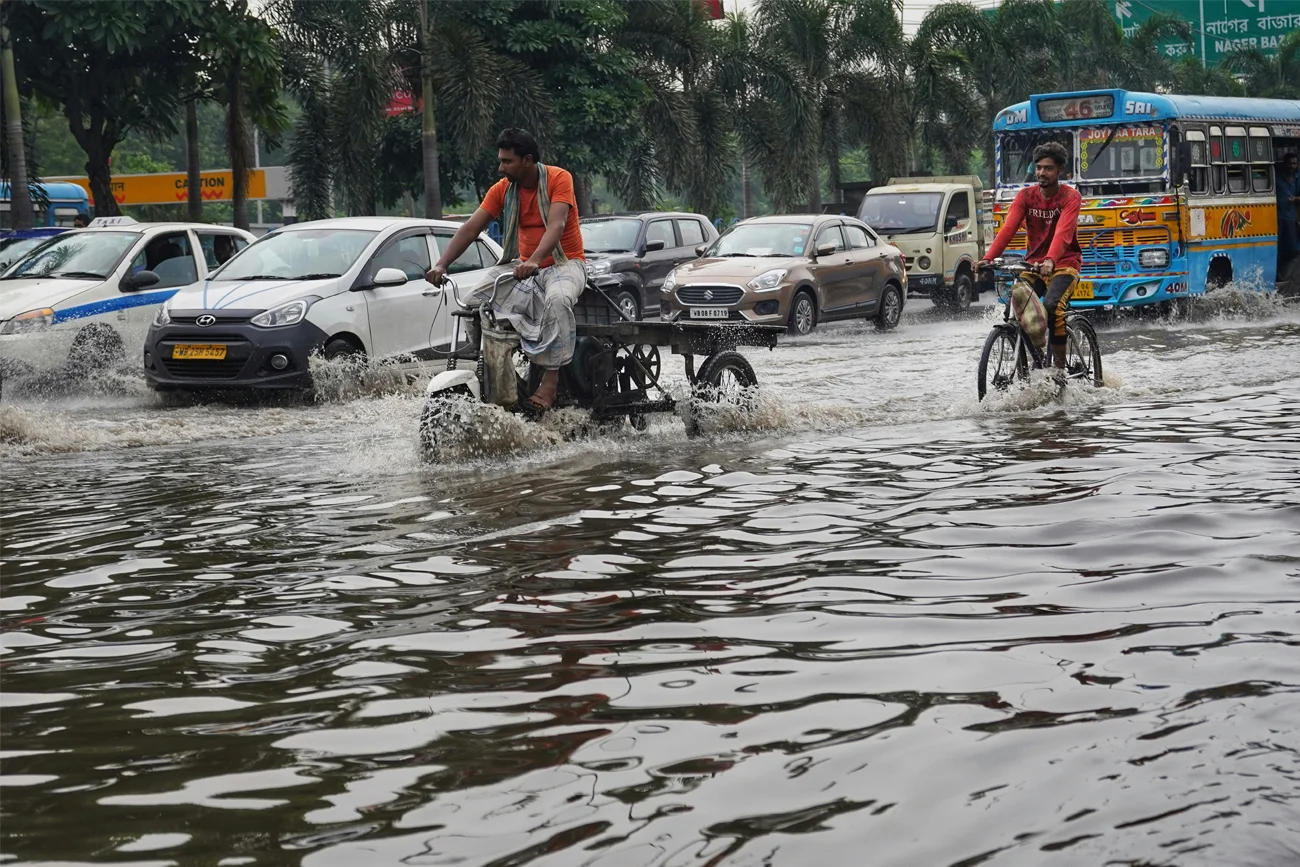
Supporting the redefinition and management of social and economic objectives under conditions of climate uncertainty, by developing archetypes, tools and narratives that enable forward-looking and evidence-based policymaking.
Adaptation for resilient and sustainable development
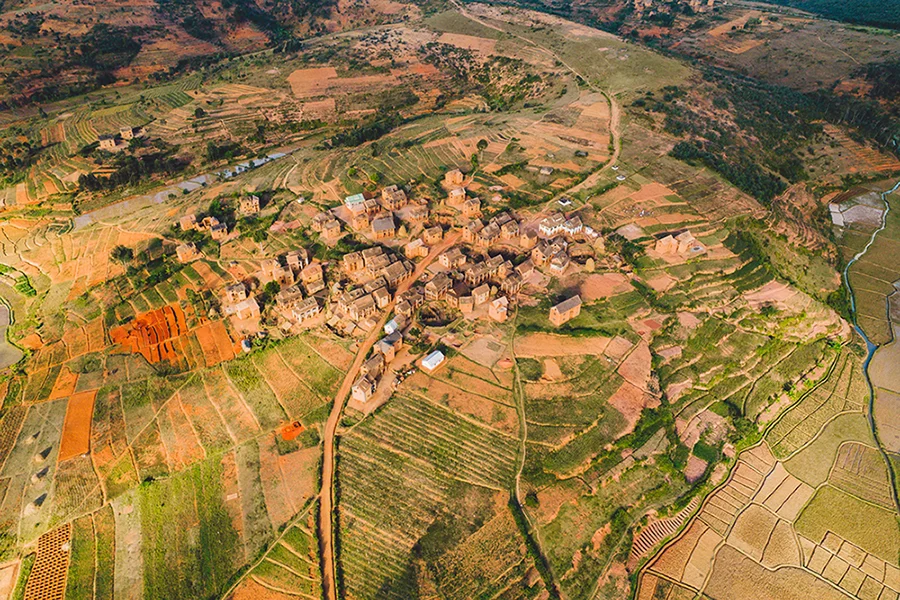
Exploring adaptation both as a driver of economic transformation - examining how actions, policies, and investments shape economic processes and the reallocation of capital across sectors and geographies - and as a core element of sustainable development and prosperity, advancing equity, economic inclusion, and long-term resilience.
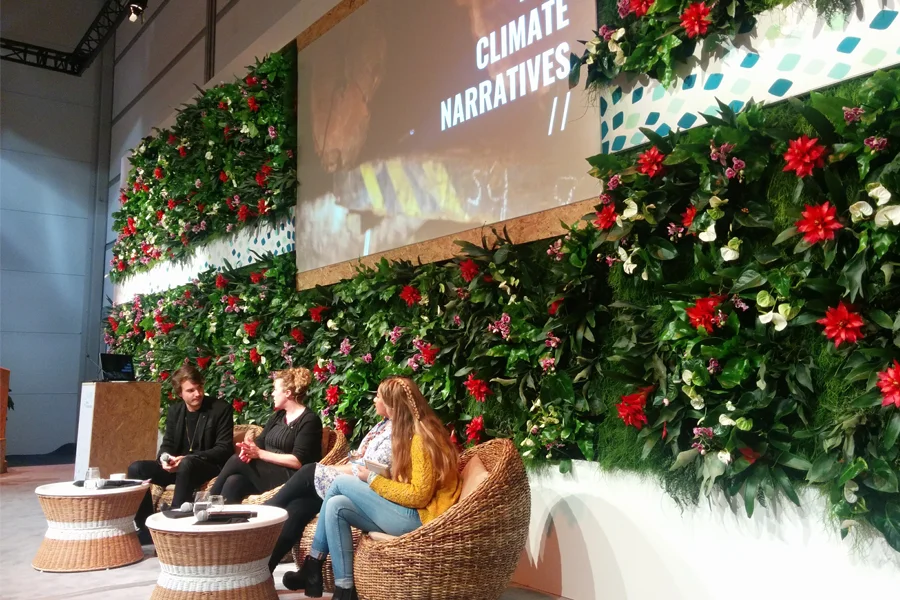
Actor-orientated approaches
Adopting a co-design approach that includes the needs of policy and decision-makers involved in planning, investment, and implementation, piloting initiatives across diverse socio-economic and governance contexts to enable collaboration with local actors and serve as testbeds for developing archetypes and transferable knowledge tools.
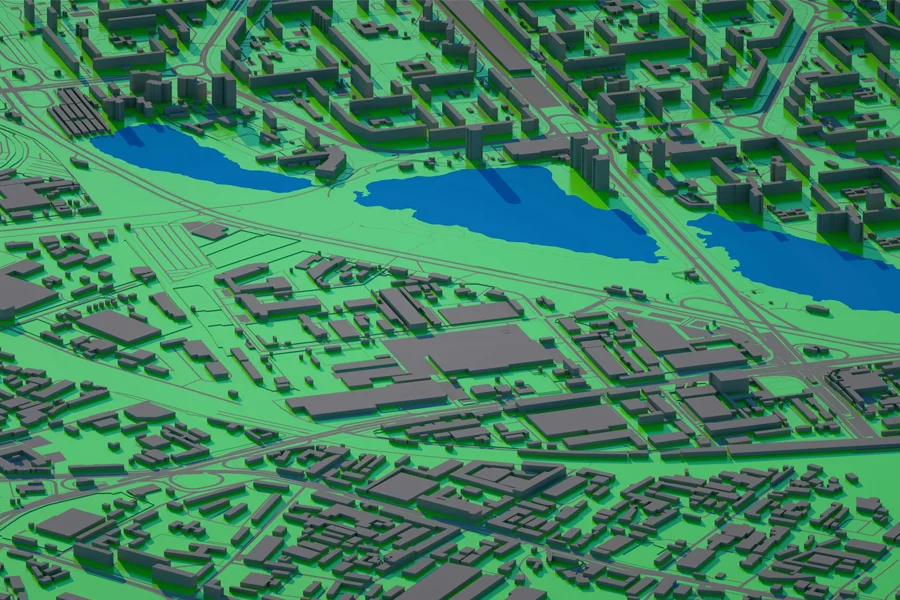
Transdisciplinary methods supporting actionable solutions
Integrating insights from climate science, governance, economics, and local practice to generate systemic solutions to complex adaptation challenges, with an approach that supports pathways from short-term action to long-term resilience by strengthening capacity, informing urgent decisions and enabling sustained, structural resilience.
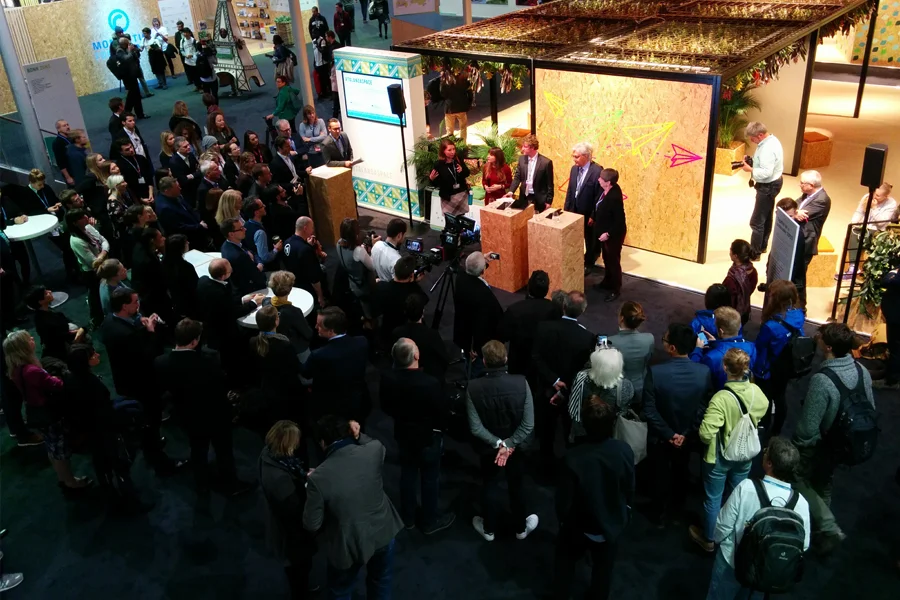
Communication and strengthening the science-policy supporting evidence-based action
Investing in communication tailored to the needs of different users and governance levels. This will support better integration of science, policy, and practice through clear, targeted, and timely engagement strategies.
Research priorities
Explore the priorities driving the Program’s research and innovation
Integrated modelling systems
Closing the loop for climate, impacts and socio-economic modelling systems to advance the design of next-generation climate scenario development and international modelling efforts by integrating insights across physical, ecological, and societal systems over multi-decadal time horizons.
Economic and finance narratives for resilience
Narratives and frameworks integrating ecosystem and social wellbeing, investment strategies, and public and private finance, including non-market evaluation, to support resilient and sustainable development pathways.
Risk assessment for robust decision-making
Advanced climate risk frameworks, integration of societal and perception studies, and stress testing in the context of complex, cascading impacts. Advancing tools and methodologies to support adaptive decisions, including the propagation and integration of knowledge products tailored to diverse governance scales.
Multi-sectoral resilience across timescales
Climate resilience, management and planning in critical sectors such as agriculture, food, water, health, energy, informing economic, investment and development linkages.
Infrastructure for sustainable development
Advancing development through hard infrastructure - the "skeleton" of society - capital-intensive assets related to transport, energy, goods, and social infrastructure - the "glue" of society - that builds social capital, trust and cooperation that shape our interactions and support quality of life.
Key initiatives
See the core actions that implement the Program’s objectives
Towards closing the loop - climate-impacts-society futures
Bridging human influence and natural systems through enhanced model integration and resolution across scales, aligning Earth System Models (ESMs) with Integrated Assessment Models (IAMs) to create a more coherent representation of interactions like land use and carbon dioxide removal, agriculture, biomes, and wildfires. This includes developing advanced evaluation methods and strengthening regional impact modeling capabilities and advancing high-resolution modelling and diagnostics to better understand climate extremes, and integrating ML emulators to improve computational efficiency, quantify uncertainties. These scientific advances are reinforced by infrastructure efforts, including a strengthened CMCC–CINECA collaboration through a new CORDEX node, enhanced ESGF data monitoring, and systematic tracking of the carbon and energy footprint of simulations.
Food (In)Security Task Force
Developing an integrated predictive framework to anticipate, assess, and address climate-driven food security. The initiative connects climate information with agricultural, water, and socio-economic analyses to better understand how climate variability and change translate into risks for food systems and security.
By combining climate forecasting, impact modelling, and socio-economic vulnerability assessment, the Task Force supports early-warning approaches and evidence-based decision-making for adaptation planning and resilience-building. Particular attention is given to regions highly exposed to climate shocks, with the objective of informing policy processes, humanitarian preparedness, and climate adaptation and finance strategies.
MedRisk Lab
Supporting climate-informed decision-making in the Mediterranean region. It advances integrated assessments of climate risk by combining physical climate hazards, socio-economic vulnerability, and impacts modelling. Through analytics informed by actor needs, the MedRisk Lab aims to inform adaptation policies, investment priorities, and governance frameworks addressing compound and cascading risks to build resilience in one of the world’s most unique yet climate-vulnerable regions, as well as rich cultural heritage and tradition.

PUBLICATIONS
Research output
Access the program's latest publications
Publication highlights
FORA
International Fora
Explore how the Program strengthens the science–policy interface
The Program coordinates strategic CMCC contributions to bridge scientific knowledge and policy-making at national, European, and global levels.
PSEO supports Italy’s engagement in key international climate science-policy processes - the IPCC, UNFCCC, G7, and G20 - by supporting negotiations and providing scientific and technical analysis advice on climate change science, adaptation, loss and damage, agriculture and food systems, land use, carbon markets.
We also support science-policy initiatives and expert networks, helping translate complex research into actionable insights:
Italy Focal Point for the Intergovernamental Panel on Climate Change (IPCC)
CMCC represents the IPCC at national level, serving as a key interface between the IPCC, the national scientific community, and the public, ensuring effective two‑way communication on climate‑related activities and expert engagement in negotiations and IPCC processes.
The European Climate Risk Assessment (EUCRA)
Contributing to the EUCRA reports, CMCC supports science-policy exchange, translating the complexity of 36 climate risks that pose a threat to Europe’s energy and food security, ecosystems, infrastructure, water resources, financial stability, and people’s health research into actionable insights for policymarkers.
Mediterranean Experts on Climate and environmental Change (MedECC)
Deeply engaged in the scientific assessment of climate and environmental changes impacts in the Mediterranean Basin, CMCC provides information to decision-makers and the general public on the basis of available scientific information and on-going research.
The Adaptation Accelerator Hub
Directly involved in the Hub, CMCC supports climate‑vulnerable countries in accelerating adaptation and building long‑term resilience by helping translate national priorities into finance‑ready initiatives and strengthening countries’ ability to move from planning to implementation.
NEWS
Latest updates
Latest news from the Program
EVENTS
Recent and upcoming events
Discover what’s happening in the Program and stay involved